How to Brief a Graphic Designer (and five common mistakes we often make)


Great design seldom comes from vague, or last-minute requests. A strong creative brief gives your designer the context, direction and constraints they need to make smart creative decisions. Design brief guidance consistently stresses the value of clear objectives, audience definition, deliverables, timelines and information about the brand, because those details reduce confusion, minimise revisions and improve the end-result
1. Bring your designer in early
One of the most common mistakes is treating design as ‘the icing on the cake’, rather than part of the thinking. When a designer is brought into a project at concept stage, they can help shape how the idea works visually and strategically instead of just decorating a finished plan. That early context helps a designer to understand the purpose of the work and make better choices from the start. Clear upfront direction means better alignment and fewer revisions.
2. Align on the story, not just the styling
Before discussing colours, layouts or visual references, you should align on the basics: what the project needs to achieve, who it is for, and what action or feeling it should create. A designer can only create effective work when the underlying message is clear. Strong briefs include project goals, target audience and intended outcomes because design works best when it is built on narrative and purpose, not superficial style alone.
3. Share your brand properly
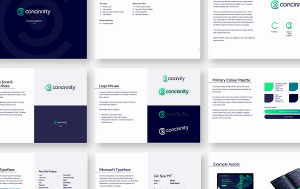
A designer shouldn’t have to guess what your brand looks or sounds like. If you already have brand guidelines, logo files, colours, fonts, templates or examples of what feels on-brand and off-brand, be sure to share them early. These assets help a designer move faster and stay consistent. Brand resources and context are essential for coherent, accurate design output.
4. Cover the essentials in every brief
Even a simple design request needs the basics. As a minimum, your brief should explain the objective, the audience, the deliverables, and practical constraints such as timing, format, channel or budget. These details keep everyone aligned and reduce unnecessary back-and-forth. These elements really are central to an effective design brief.
5. Be specific with feedback
Feedback is most useful when it is clear and actionable. Instead of saying something vague like “make it pop,” explain what is not working, what outcome you want, and share examples that show the tone or direction you prefer. Useful feedback shortens review rounds and improves collaboration because it gives the designer something concrete to respond to. Precise direction and shared expectations lead to better creative work.
At Sciad, our team of science communicators work closely with our graphic designers to turn complex ideas into clear, engaging creative. By combining strategic thinking, scientific understanding and strong visual design, we make sure that every project communicates with impact.
If you have an upcoming project or need support with design, content or communications, get in touch with the Sciad team to see how we can help.



Got an innovation you need bringing to life?
We’d love to hear from you! Head to our contact page to start a conversation.