Building Brand Trust: The Impact of AI & the Lasting Importance of Human Connection

The way buyers research products and services in the scientific industries has changed dramatically over the past few years. Once, product research was a manual task; you spent hours visiting websites, trawling reviews, and scrolling through community platforms, sometimes for hours on end. This was especially true for big-ticket items such as lab equipment or CRO services, where investment is high and making the right choice is critical.
The power of Generative AI has made research far easier. Users can simply enter a prompt such as “best incubator for cell culture”, and an AI bot can do most of the heavy lifting, presenting product options, pros and cons, capabilities, and pricing. In fact, 89% of B2B buyers now use GenAI for research, demonstrating the impact that AI has had on the way in which consumers carry out research. It’s not only consumers that are affected by this shift; brands are too. AI visibility is more important than ever. When research was carried out manually, it’s estimated that around four to seven products or brands would make a shortlist; now, that number has dropped to two to three. This begs the question: how do you stand out enough to make the shortlist?
AI engine visibility
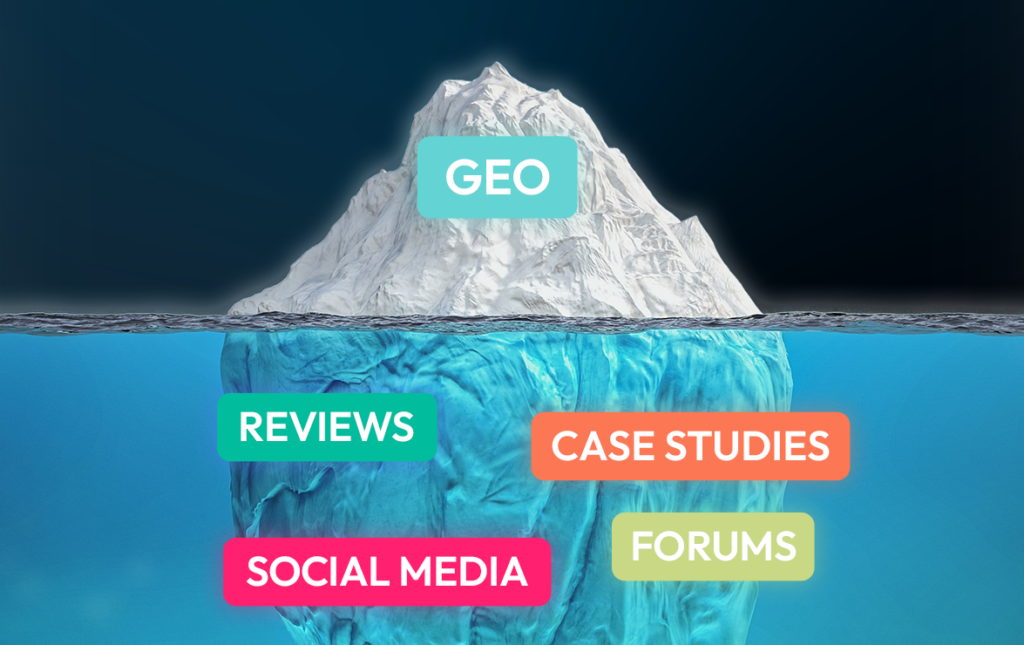
The first thing we think of when considering AI engine visibility is GEO, or Generative Engine Optimisation. GEO is the process of enhancing website content in a way that makes it more easily discovered, understood, and cited by AI. The goal is to ensure your brand is referenced, recommended, and cited by AI models when a user asks a relevant question – including during product research. GEO can include a range of activities, from schema markup to optimising for long‑tail, conversational prompts.
Whilst GEO is important for gaining AI engine visibility, you must also consider the quality of that visibility. If the content shown to users via AI models doesn’t represent your brand in a positive, trust‑building way, you may still miss out on making the shortlist. Interestingly, building brand trust and AI visibility have more in common than you might think. AI is 6.5× more likely to cite third‑party content over brand‑owned sites. This means that whilst GEO is essential, you must consider what people are saying about your product elsewhere; through customer reviews, community forums, social media, and case studies. Content that speaks about your brand in a human way tends to be cited most often.
This shows that while you work on GEO, you should also keep track of what people are saying about your brand across all platforms. The more positive third‑party content that exists, the more likely AI is to recommend you when users carry out their research.
Whether research is carried out by humans or bots, brand trust remains central. The best way to activate trust is through conversations with real customers who believe in your brand. At this stage, they are no longer customers – they are brand advocates. The power of true advocates cannot be understated: 71% of marketers say that recommendations from subject‑matter experts can influence brand trust – and these customers operate as experts.
Engaging customer content
It is important to remember that while customer content is valuable, it shouldn’t be forced. When it appears performative, people feel they are being told what you want them to hear, and the content no longer feels reliable. This affects how people respond to content and how they feel about your brand in the long term. For this reason, if you are working with customers to produce case studies or other third‑party content, make sure it is not a tick‑box exercise. It should reflect their real story. Whilst it may feel risky to let a customer mention doubts or hesitations they once had, it prevents the content from feeling overly polished or hollow – and it often resonates more strongly with potential buyers.
Third party content is not only cited more effectively by AI; it can also be translated into many formats – short videos, social posts, or testimonials. Recycling content into multiple formats allows you to reach customers at different stages of their buying journey, whether they are researching options on an AI engine or checking your LinkedIn account.
Overall, the pattern remains: people trust people, and this is unlikely to change, no matter how many users default to AI for research and recommendations. Building brand trust and a strong base of customer advocates will shape how AI sees you, which in turn shapes how potential customers see you. Whilst AI can expedite research, it cannot change how people decide what to trust.
Need help shaping your brand’s perception or optimising your website for AI engines? Learn more about our PR and digital marketing services through the links on this page, or get in touch with our team to start a conversation.


Got an innovation you need bringing to life?
We’d love to hear from you! Head to our contact page to start a conversation.