Sciad Spotlight: What we’re excited about in life science communications in 2026
At the start of the year, we did a Q&A with two members of our team to pick their brains about trends shaping the industry, the projects that have made a real impact, and what they are most excited about in life science communications.
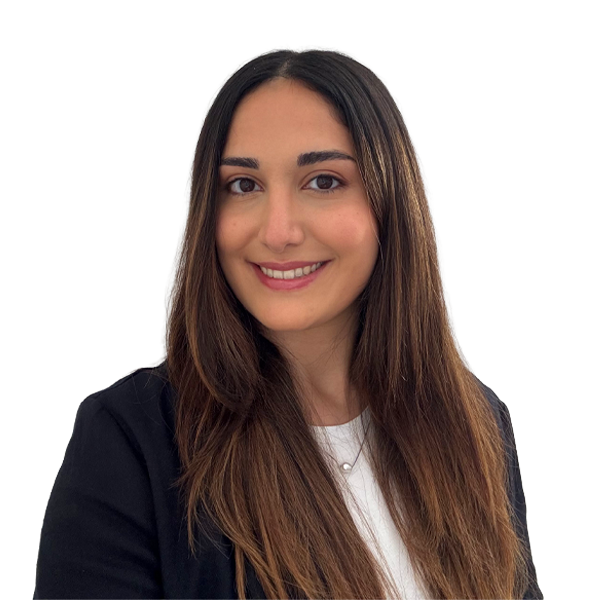
Tarryn, Digital Manager, and Paula, Project Director, shared their perspectives on what it takes to deliver meaningful, human-centred communications, and the areas we are focused on developing as we support clients through the year ahead.
What are you most excited about in life sciences communications this year?
Tarryn: I am excited to see how the introduction of ads within Google’s AI Overviews reshapes the Search Engine Advertising landscape. It feels like a big shift, moving from traditional keyword-based placements to something that’s more context-aware and integrated into AI-generated answers. I’m curious to see how targeting evolves, and what new opportunities open up for creating more relevant, helpful ad experiences right at the moment someone is looking for information.
Paula: There has been much talk of promising new treatments for complex diseases, and the pace of innovation is speeding up, with new and emerging AI tools and smart labs coming online. AI will be seen as a challenge for regulators, so it will be interesting to see how the UK life sciences community respond to new legislation in the US and Europe.
What are some skills or trends you are eager to develop (AI, omnichannel, data storytelling, media relations)?
Tarryn: I’m really keen to continue to build my skills in AI-powered insights and omnichannel strategy, especially as these areas are only becoming more important in 2026. AI is constantly evolving the way that we analyse data and understand how people behave, allowing us to be more responsive and optimise more quickly, while omnichannel approaches help us create smoother, more joined-up experiences wherever someone interacts with us. It’s an exciting space, and I’d love to keep growing in it.
Paula: Marketing initiatives in the life sciences often involve tight turnaround times and budgets, so strong project management skills are important, to ensure that we deliver true value for our clients. Ensuring that we are prioritising the priorities and using our skills and expertise to best effect will be important for the team at Sciad.
Highlight a project or programme where you felt made a meaningful difference.
Tarryn: I really enjoyed working on the digital programme we ran with a start-up tech company that developed a telepresence robot for children with long-term illness or anxiety that prevented them from attending class in person. The technology gave young people the chance to stay connected with their education and classmates in a way that was accessible and comfortable for them. Knowing how important school and friendships are (especially when you’re not feeling your best), it was incredibly rewarding to help encourage local councils to invest in these robots for use in schools, making this technology more accessible to those who need it.
Paula: We’ve worked with the Royal Society of Chemistry for the past five years, to develop films and animations that explain exciting, complex chemistry innovation. One of this year’s films is focused on technology that saves lives by detecting dangerous synthetic drugs, such as the street drug spice. Raising awareness is just one small way in which we can help the public to understand the importance of scientific innovation.
How do you think diverse perspectives help humanise science in life sciences communications?
Tarryn: Bringing together people from different backgrounds, cultures, ages and disciplines helps make scientific communication feel more real and relatable, rather than just data. When audiences can see themselves reflected in the voices shaping the story, whether it be patients, clinicians and scientists, they’re more likely to trust the information and connect with the human impact behind the science.
Paula: ‘We all see life through different lenses’ is central to the work of renowned Canadian academic and author on business and management, Henry Mintzberg. We should never underestimate the importance of diverse perspectives, mindsets and experience in understanding a complex world. Telling the stories of the people from different background and walks of life is essential if we are to ensure that medical advances reach everyone.
Got an innovation you need bringing to life?
We’d love to hear from you! Head to our contact page to start a conversation.